Education Research Current About VU Amsterdam NL
Login as
Prospective student Student Employee
Bachelor Master VU for Professionals
Exchange programme VU Amsterdam Summer School Honours programme VU-NT2 Semester in Amsterdam
PhD at VU Amsterdam Research highlights Prizes and distinctions
Research institutes Our scientists Research Impact Support Portal Creating impact
News Events calendar Biodiversity at VU Amsterdam
Israël and Palestinian regions Culture on campus
Practical matters Mission and core values Entrepreneurship on VU Campus
Governance Partnerships Alumni University Library Working at VU Amsterdam
Sorry! De informatie die je zoekt, is enkel beschikbaar in het Engels.
This programme is saved in My Study Choice.
Something went wrong with processing the request.

Bring the true Aurora purpose into life

Bridging Borders: Designing Inclusive Futures in Education - A MIXED Model Approach

The BIP utilizes the Mixed Classroom Educational Model, an educational approach that builds upon differences to enrich the learning experience for all participants present.

Capitalizing on differences does not mean compromising between different perspectives or merging them into one uniform perspective. Instead, the model uses the differences and possible tension between perspectives to stimulate critical thinking, develop analytical skills, and generate creative solutions. The VU Mixed Classroom Educational Model is built on a three-phase process through which participants learn how to capitalize on different perspectives, within an educational environment:

  • Sensitizing participants to their own frame of reference and the existing diversity around them, and creating a safe learning environment to do so 
  • Engaging participants to interact constructively with different perspectives present 
  • Optimizing every participants’ learning process by capitalizing on different perspectives 

Programme Structure and Content  
Please find the programme structure and content in the drop-down menu below.

More about this programme
Overview
Result
Dates and registration
VU Centre for Teaching & Learning
Overview CTL courses

for professionals in higher education

Programme Structure and Content

  • Virtual Component (Weeks 1-2, Pre-Mobility) 

    Objective: Establish foundational understanding of inclusion, identity, and the MIXED Model, promoting interaction and self-reflection. 

    • Week 1: Introduction / Getting to Know the Model (120 minutes, Asynchronous) 
      Activities: Welcome video, Padlet introduction, discussion board on inclusion, and reading the Mixed Classroom booklet with reflective questions, preparation for Week 2. 
    • Week 2: Who is in the room and what is expecting us? (120 minutes, Synchronous) 
      Activities: Peer discussions on challenging moments, setting expectations, and sharing insights. Final preparation before we welcome you to VU Amsterdam.  
  • Physical Component (Week 3, In-Person at VU Amsterdam) 

    Objective: Hands-on experience applying the MIXED Model, with an emphasis on designing and implementing inclusive practices. 

    • Day 1 (180 minutes): Welcoming, Sensitizing and Building Foundations 
      The first day focuses on sensitization and community building. Through participant-led activities, the group explores themes of openness, trust, and awareness. The program structure is introduced, and shared ground rules for interaction are established to support respectful, courageous dialogue throughout the week. 
    • Day 2 (180 minutes): Identity, Intersectionality, and Stories 
      After an initial sensitizing activity, the focus shifts to intersectionality and personal narratives. Participants explore how identities and lived experiences shape perspectives and interactions within educational environments. Learning from the diversity within the group is central, with dialogue and reflection as key methods. Microlesson topic: the position of teacher identity in education.  
    • Day 3 (180 minutes): Hot Moments, Emotions, and Implicit Bias 
      This day addresses “hot moments” in the classroom: emotionally charged or challenging situations that require pedagogical sensitivity. Participants deepen their understanding of implicit bias, emotional dynamics, and strategies for navigating discomfort constructively. Micro-lesson topic: practical approaches to responding to hot moments in educational settings. 
    • Day 4 (180 minutes): Application and Educational Design with MCEM 
      Day four is dedicated to applying MCEM to participants’ own educational contexts. Using formats such as a market place and World Café, participants work on redesigning a course, lesson, or learning activity through the lens of MCEM. Peer exchange, feedback, and co-creation are central to this collaborative design process. Microlesson topic: designing learning activities that allow safe discomfort.  
    • Day 5 (180 minutes): Integration, Presentation, and Closure 
      On the final day, participants present their redesigned educational practices and reflect on their learning journey. The program concludes with a collective sensitizing activity, bringing together insights, experiences, and future intentions. 
  • Virtual Component (Week 4, Post-Mobility) 

    Objective: Reflect on learning, consolidate insights, and receive feedback on final projects. 

    • Week 4: Final Week (120 minutes, Asynchronous) 
      Following the in-person program, participants upload evidence of how they have applied MCEM in their own practice. This may include a lesson plan, redesigned activity, reflective documentation, or visual material (e.g., photos of learning artifacts). This phase supports sustained reflection and knowledge sharing across the network. 

Questions

Do you have questions about the content or structure of this programme?

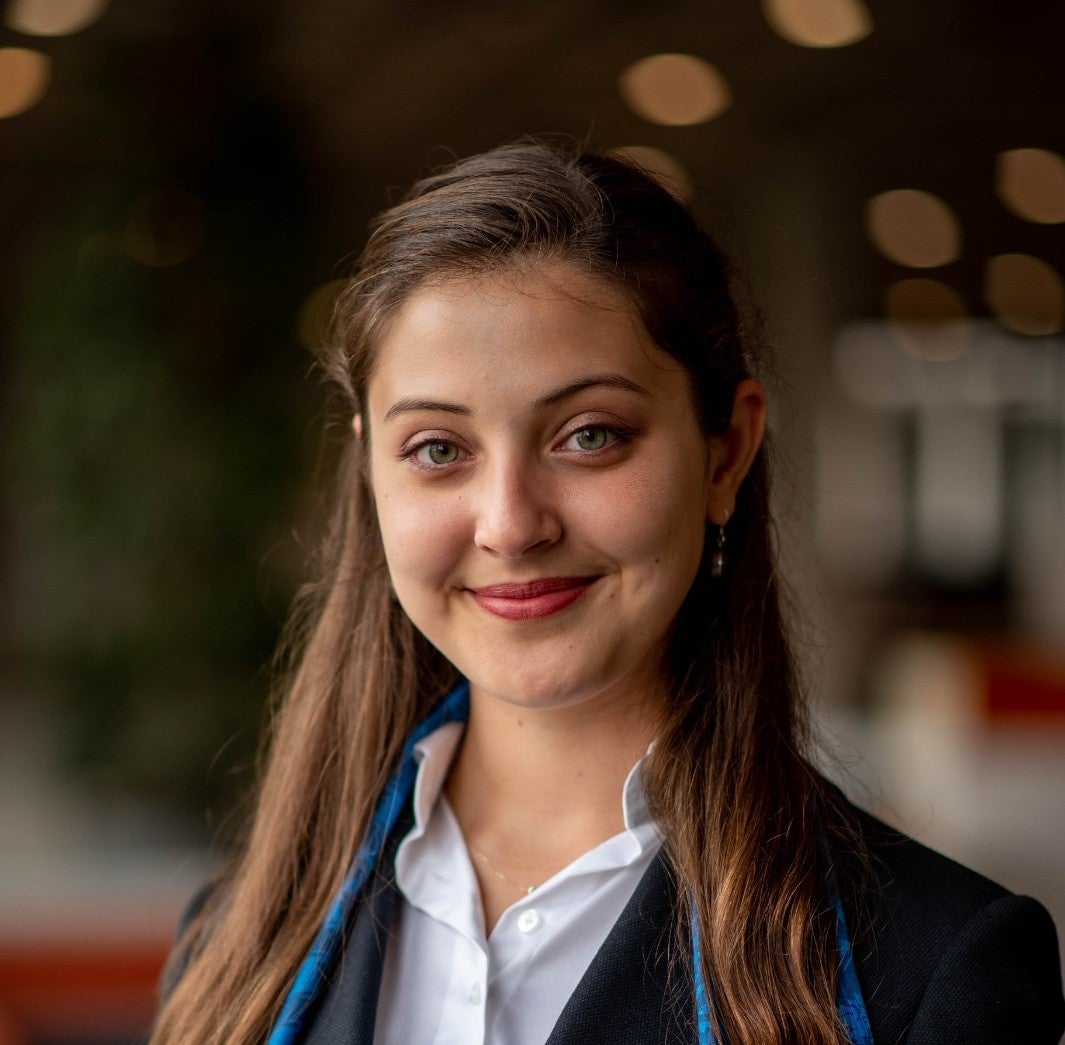
Please contact Selin Yağmur Çakmak.

Contact

Quick links

Homepage Culture on campus VU Sports Centre Dashboard

Study

Academic calendar Study guide Timetable Canvas

Featured

VUfonds VU Magazine Ad Valvas Digital accessibility

About VU

Contact us Working at VU Amsterdam Faculties Divisions
Privacy Disclaimer Safety Web Colophon Cookie Settings Web Archive

Copyright © 2026 - Vrije Universiteit Amsterdam