With antibiotic resistance escalating globally, difficult-to-treat bacterial infections pose a critical threat to human health. Because developing traditional antibiotics is increasingly difficult, our research looks to nature’s own solutions: bacteriophages. These bacterium-infecting viruses are the natural predators of bacteria. While modern metagenomic sequencing reveals thousands of novel phages every day, translating this massive genomic diversity into effective clinical therapies remains a major bottleneck. Out of this vast universe of viruses, how do we choose and combine the best phages to treat an infection?
Our group bridges this gap by capturing and understanding diverse phage phenotypes to ensure therapeutic success. Rather than focusing on a single organism, we aim to uncover fundamental, generalizable rules of phage-host interactions by combining wet lab experiments with mathematical modeling. We use Laboratory E. coli as our primary discovery engine, and validate our findings on ESKAPE pathogens and Mycobacterium tuberculosis.
To translate viral diversity into scalable, precise therapies, our lab operates at the intersection of biology, automation, and computational science:
- Robotic Automation: We develop high-throughput methodologies, using robotics to screen phage behaviors and cocktail dynamics.
- Modeling & Predictive AI: We leverage our high-throughput data pipelines to power predictive artificial intelligence models and mathematical frameworks, helping us understand the mechanisms of therapeutic success and design optimized phage cocktails.
CV
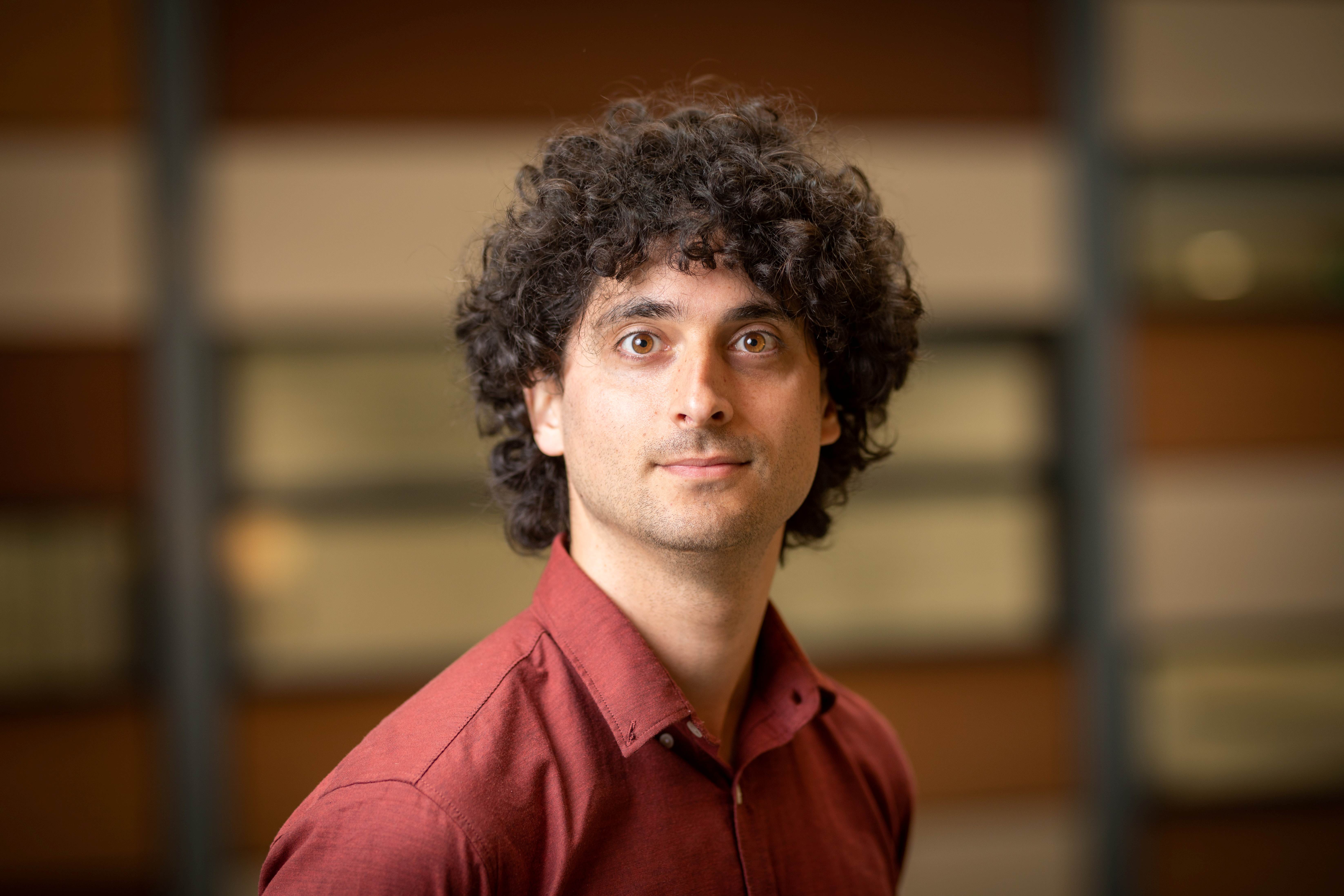
Yuval Mulla studied Molecular Life Science at Wageningen University before earning his PhD in Biophysics at AMOLF under Prof. Gijsje Koenderink. Following his doctoral work, he was awarded both Marie Curie and Humboldt Research Fellowships to join Prof. Tobias Bollenbach’s Systems Biology lab at the University of Cologne. Since 2023, he serves as an Assistant Professor in the Molecular Microbiology Section at Vrije Universiteit Amsterdam.