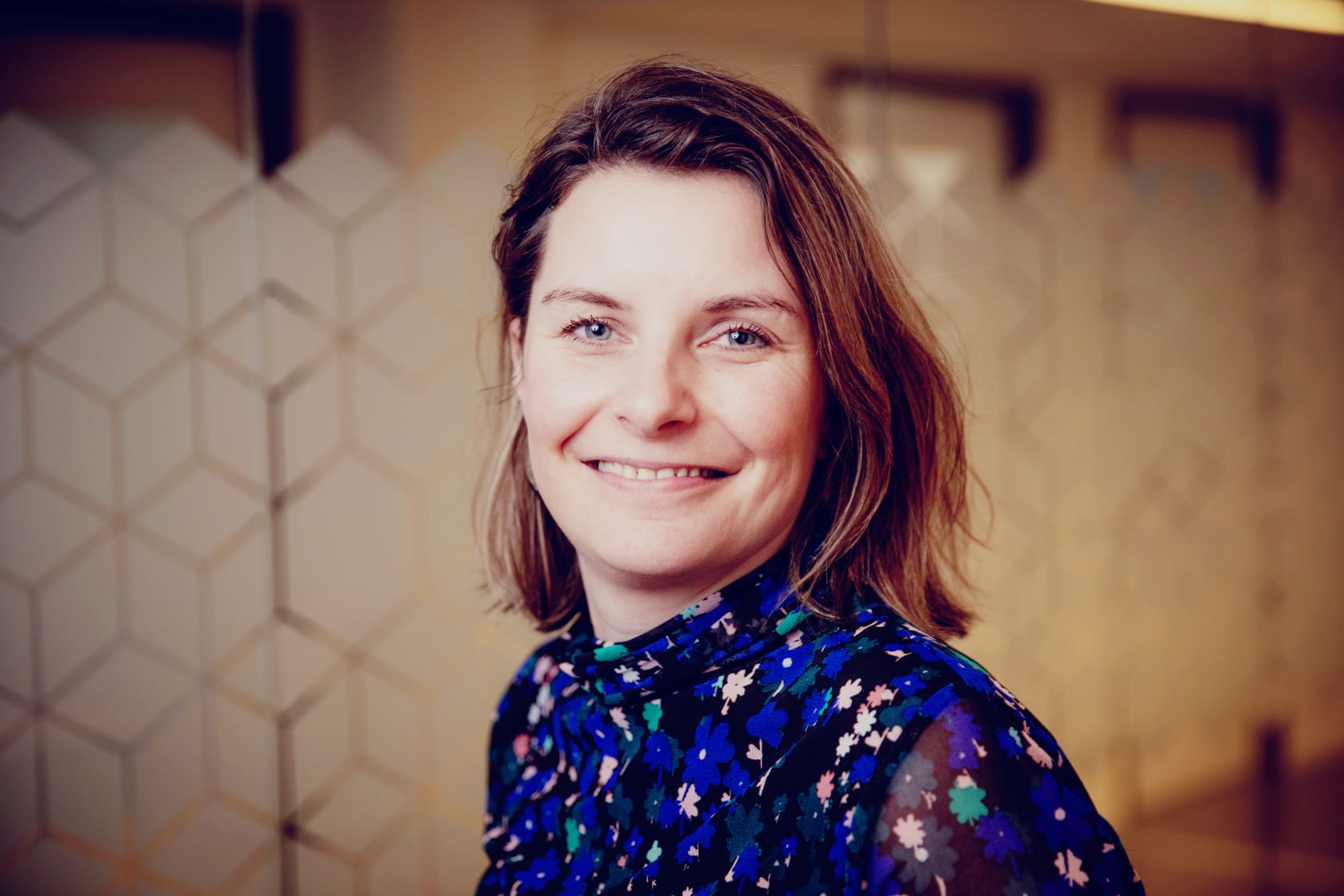
I am an Assistant Professor in Work and Organizational Psychology at Vrije Universiteit Amsterdam and Content Director of the Amsterdam Leadership Lab.
My research focuses on power, leadership, diversity and inclusion, and the impostor phenomenon in organizational contexts. Specifically, I examine how workplace structures, power relations, and social identities shape people's experiences at work.
Research topics / projects:
Contextualizing the impostor phenomenon
The impostor phenomenon refers to an experience whereby people think that others overestimate their abilities and therefore worry about being found out as "frauds" or "impostors". In my research, I examine not just who feels like an impostor (spoiler: the impostor phenomenon has often been associated with women and ethnic minorities), but instead, I study when and why employees experience impostorism in the workplace and how the phenomenon shapes career trajectories over time.
Gender dynamics in organizations
People often associate “good” management and leadership more with agentic traits, such as being dominant and ambitious, and less with communal traits, such as being empathetic and warm. Given that agentic traits are stereotypically associated with men and communal traits with women, women often face disadvanatges when pursuing leadership positions. In my research, I examine when and why these gendered leadership stereotypes are likely to manifest themselves.
Power dynamics in the workplace
Power is a fundamental feature of pretty much all organizations. At the top of an organizational hierarchy, the powerful control valued resources, such as the salary bonuses and task descriptions of employees. Lower in the organizational hierarchy, employees in low-power positions are dependent on the powerful for such valued resources. In my research, I examine how power and dominance shape the thoughts, feelings, and behaviours of leaders and employees.