Onderwijs Onderzoek Actueel Over de VU EN
Bacheloropleidingen Masteropleidingen VU for Professionals
HOVO Amsterdam Taalcursussen Nederlands als tweede taal (NT2) Zomercursus van de Vrije Universiteit Amsterdam Honoursprogramma Universitaire lerarenopleidingen
Promoveren aan de VU Uitgelicht onderzoek Prijzen en onderscheidingen
Interdisciplinaire onderzoeksinstituten Wetenschappers van de VU Research Impact Support Portal Creëer impact met jouw onderzoek
Nieuws Agenda Bewegen naar een vitale toekomst
VU UPDATE: Situatie in Israël en de Palestijnse gebieden Cultuur op de VU
Praktische informatie De VU en Innovatiedistrict Zuidas Missie, kernwaarden en visie
Besturing van de VU Valorisatie en impact Samenwerken met de VU VU Alumni Community Bekijk onze vacatures!
Sorry! The information you are looking for is only available in Dutch.
Deze opleiding is opgeslagen in Mijn Studiekeuze.
Er is iets fout gegaan bij het uitvoeren van het verzoek.

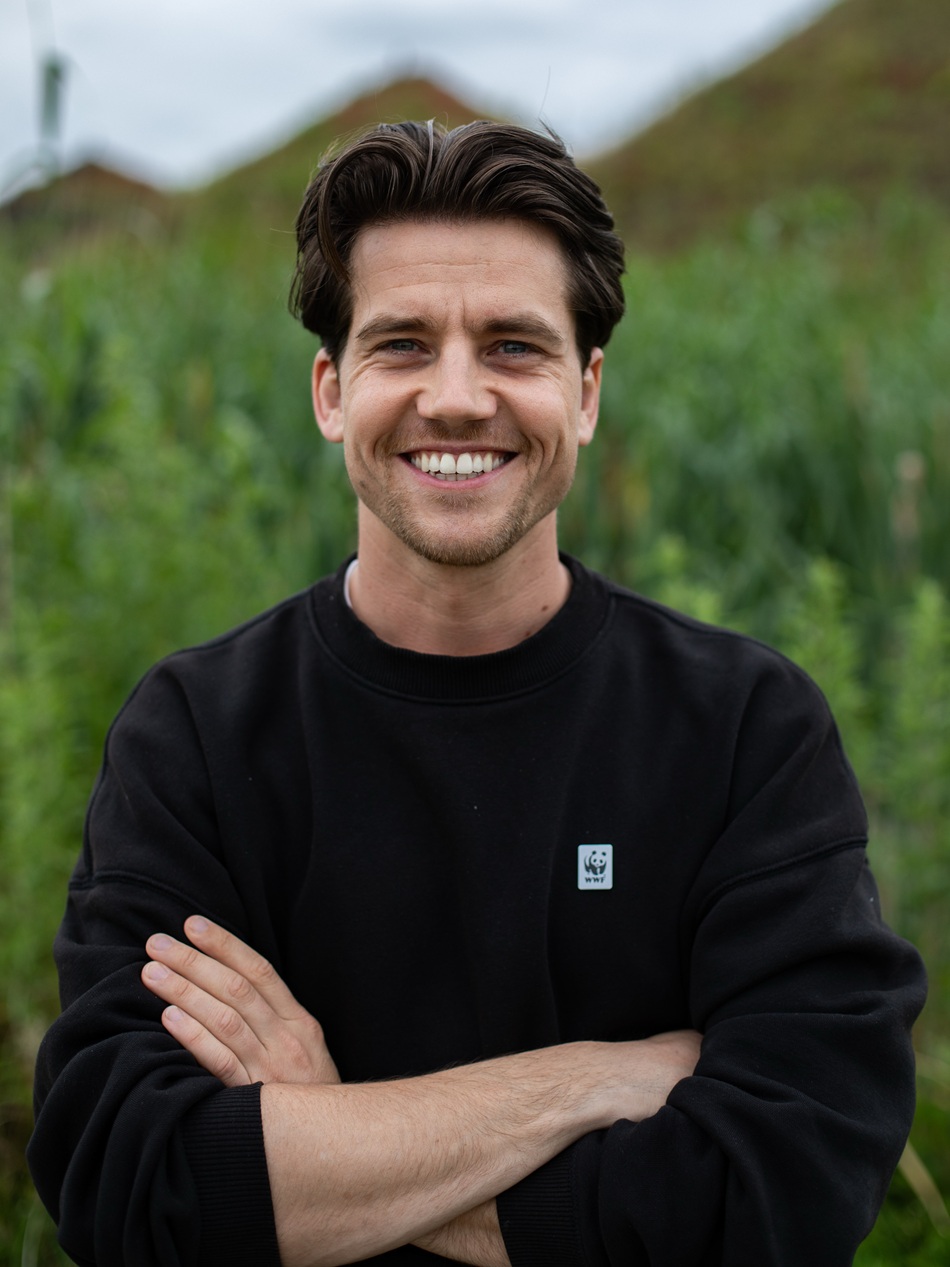
dr. Mátyás Bittenbinder

Visiting Fellow, Faculty of Science, Chemistry and Pharmaceutical Sciences

Visiting Fellow, AIMMS

Personal information

Personal information
Mátyás Bittenbinder is a chemical biologist specialising in the biology and evolution of animal toxins. He is currently an NWO Rubicon laureate at the Muséum national d’Histoire naturelle (MNHN) in Paris, and a guest researcher in the Division of BioAnalytical Chemistry at the Vrije Universiteit Amsterdam. His work bridges two institutes. At the VU he carries out the chemically oriented analytical work, and at Naturalis Biodiversity Center the biologically oriented work. He also did his PhD and first postdoc at both institutes.

Research
Venomous and poisonous animals produce some of the most potent and specific molecules in nature. Mátyás studies how these toxins work, how they evolved, and why they vary so much between and within species. His work combines fieldwork with laboratory analyses, linking the ecology and evolution of animals to the molecular activity of their toxins.

During his PhD in the Venoms to Drugs lab, he focused on snake venoms and their effects on blood coagulation. He used analytical approaches that couple separation techniques and mass spectrometry to bioassays, to identify which venom components are responsible for these effects. This work is relevant both for understanding venom evolution and for improving snakebite treatment.

As a postdoc, he broadened his scope to other toxic animals, including research on toxin variability in cane toads, using neurotoxicity assays and toxin biodiscovery pipelines. With his Rubicon fellowship at MNHN, he now studies the evolution of chemical defences in animals, combining toxinology with the evolutionary and functional biology expertise of the Herrel lab.
Ancillary activities

No ancillary activities

Ancillary activities are updated daily

Direct naar

Homepage VU Amsterdam Cultuur op de VU Universiteitsbibliotheek Dashboard

Studie

Academische jaarkalender Studiegids Rooster Canvas

Uitgelicht

Doneer aan het VUfonds VU Magazine Ad Valvas Digitale toegankelijkheid

Over de VU

Contact met VU Amsterdam Bekijk onze vacatures! Faculteiten VU Amsterdam Diensten VU Amsterdam
Privacy Disclaimer Veiligheid Webcolofon Cookie instellingen Webarchief

Copyright © VU