Onderwijs Onderzoek Actueel Over de VU EN
Bacheloropleidingen Masteropleidingen VU for Professionals
HOVO Amsterdam Taalcursussen Nederlands als tweede taal (NT2) Zomercursus van de Vrije Universiteit Amsterdam Honoursprogramma Universitaire lerarenopleidingen
Promoveren aan de VU Uitgelicht onderzoek Prijzen en onderscheidingen
Interdisciplinaire onderzoeksinstituten Wetenschappers van de VU Research Impact Support Portal Creëer impact met jouw onderzoek
Nieuws Agenda Bewegen naar een vitale toekomst
VU UPDATE: Situatie in Israël en de Palestijnse gebieden Cultuur op de VU
Praktische informatie De VU en Innovatiedistrict Zuidas Missie, kernwaarden en visie
Besturing van de VU Valorisatie en impact Samenwerken met de VU VU Alumni Community Bekijk onze vacatures!
Sorry! The information you are looking for is only available in Dutch.
Deze opleiding is opgeslagen in Mijn Studiekeuze.
Er is iets fout gegaan bij het uitvoeren van het verzoek.

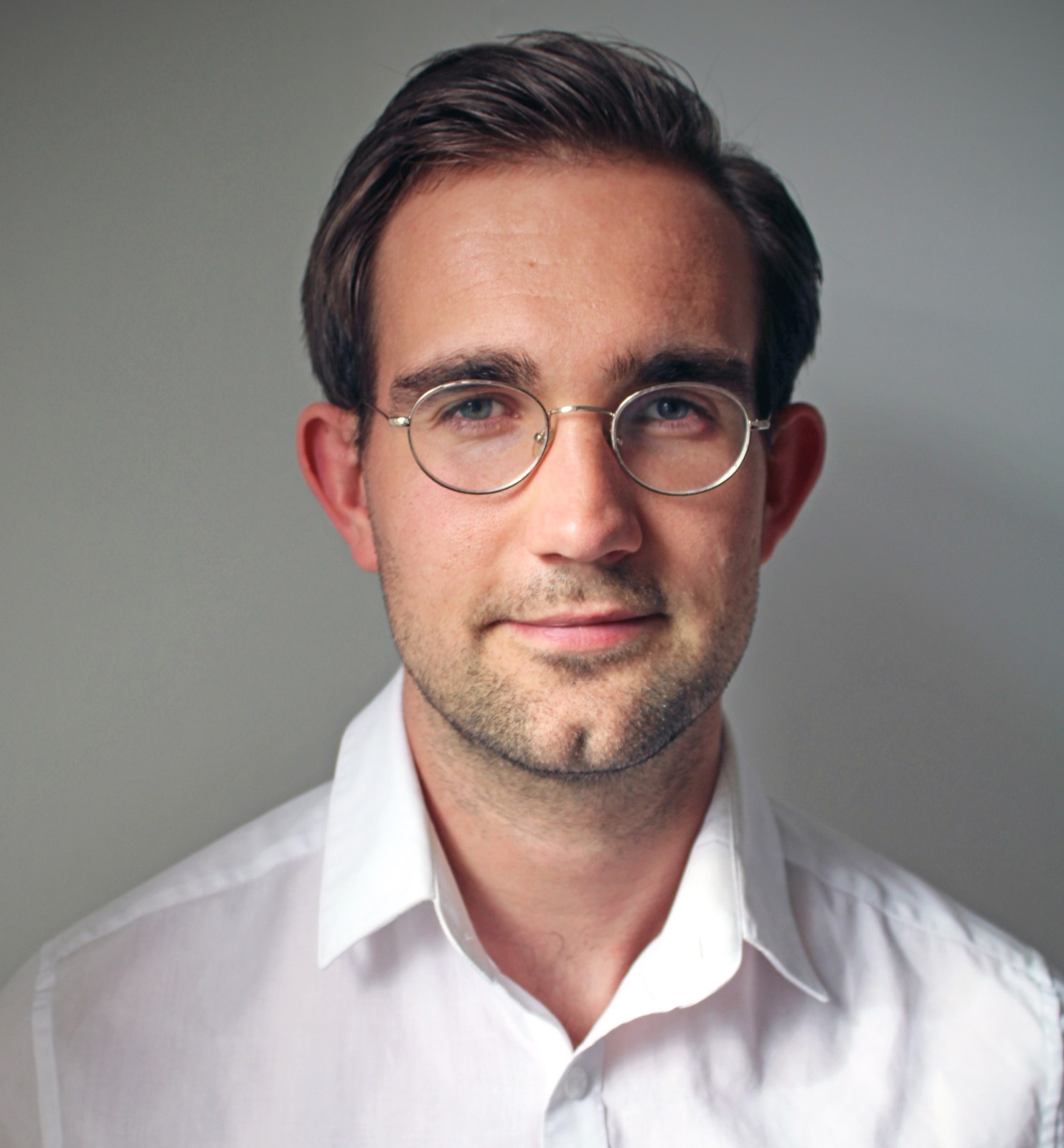
Lukas Andreas Falcke

Associate Professor, School of Business and Economics, Knowledge, Information and Innovation

Personal information

Lukas Falcke has been Assistant Professor for Digital Strategy and Innovation at VU Amsterdam since September 2022. Prior to joining VU, he was a Ph.D. student at the University of St. Gallen, a visiting researcher at Stanford GSB, and a research assistant and MTEC Scholarship Fellow at ETH Zürich. He holds a bachelor’s degree in electrical and computer engineering from RWTH Aachen and a master’s degree in management, technology, and economics with a focus on sustainability and machine learning from ETH Zurich. He has also consulted firms on these issues through his field work and industry stunts at McKinsey and UBS. 
Research

In his research, he investigates how firms can use collaborative forms of innovation to realize digital innovation and tackle grand challenges like climate change. In this work, he often focuses on the role of emerging technologies like machine learning or the role of individuals (i.e., boundary spanners) in such collaborative and open forms of innovation. To make sense of these issues he draws from theoretical lenses like the knowledge-based view, technology architectures, and social capital and identity theory.

Ancillary activities

No ancillary activities

Ancillary activities are updated daily

Direct naar

Homepage VU Amsterdam Cultuur op de VU Universiteitsbibliotheek Dashboard

Studie

Academische jaarkalender Studiegids Rooster Canvas

Uitgelicht

Doneer aan het VUfonds VU Magazine Ad Valvas Digitale toegankelijkheid

Over de VU

Contact met VU Amsterdam Bekijk onze vacatures! Faculteiten VU Amsterdam Diensten VU Amsterdam
Privacy Disclaimer Veiligheid Webcolofon Cookie instellingen Webarchief

Copyright © VU