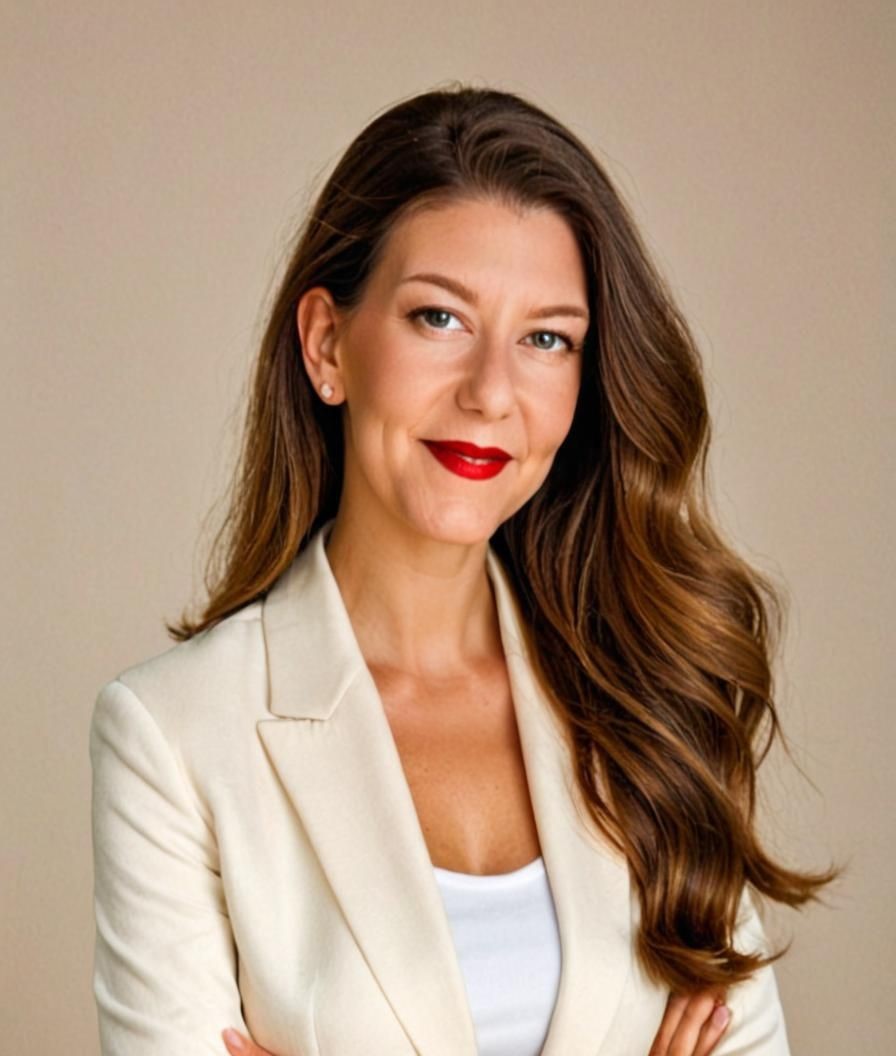
Dr Lorella Viola is Assistant Professor in Digital Humanities & Society at the Vrije Universiteit Amsterdam. In her research, she develops innovative digital humanities methodologies to investigate how power, latent assumptions and implicit ideologies are manifested through language and circulated in media and society. She also researches the impact of the digital transformation of society on knowledge creation theory and practice, including digital heritage practices.
Dr. Viola obtained her PhD in 2016 from the University of East Anglia (UEA), Norwich, UK. In her dissertation—titled Towards an Empirical Approach to the Study of Dubbing-Induced Language Change in Italian—she developed a novel method to research translation interference from American English films and its impact on language change in spoken and written Italian. The thesis demonstrated that repetition over time, rather than—or as well as—media engagement, is a decisive factor in assimilating and subsequently diffusing innovative linguistic features into the language. The thesis was awarded the CHASE Going Digital award.
Before joining VU, Dr. Viola was co-Principal Investigator in the Luxembourg National Research Fund project DHARPA (Digital History Advanced Research Project Accelerator), which built software to enhance transparency, traceability, and replicability in Digital Humanities research. Previously, she was Research Associate at Utrecht University, where she served as Work Package Leader in the transatlantic research project Oceanic Exchanges.
Dr. Viola has been a leading voice in Digital Humanities research. Her latest open-access book, The Humanities in the Digital: Beyond Critical Digital Humanities (Springer), challenges the contemporary relevance of the current model of knowledge production and proposes the post-authentic framework for knowledge creation in the digital age. This framework includes a re-devised set of notions, practices, and values that recognize the broader cultural relevance of digital objects and the methods used to create them. Her scholarship has appeared in Digital Scholarship in the Humanities, Frontiers in Artificial Intelligence, International Journal of Humanities and Arts Computing, and Reviews in Digital Humanities.
Her latest book, Multilingual Digital Humanities (Routledge), advances and reflects on recent work concerning the social and cultural relevance of multilingualism for digital knowledge production.