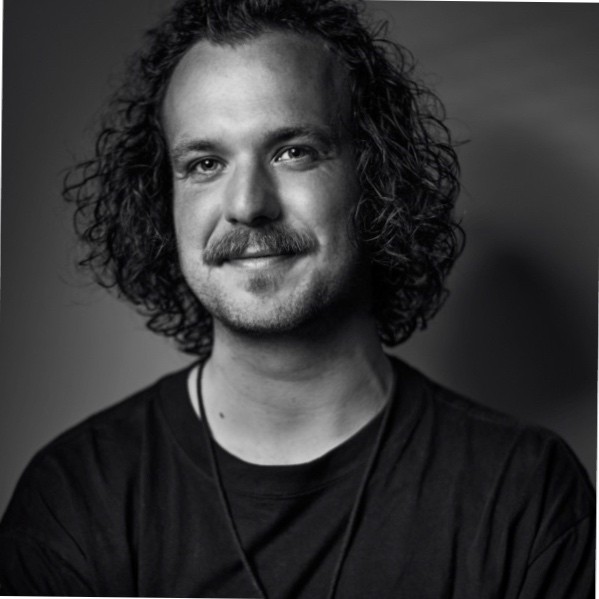
I am an anthropologist driven by a simple but urgent conviction: that the world needs knowledge that is as entangled, plural and committed as the crises we face. My work sits at the intersection of organization studies, anthropology, political ecology, and post-humanism, and it is guided by a belief that understanding how communities organize under climate change, neoliberal pressure, and postcolonial inequality requires more than detached observation. It requires solidarity, creativity, and a willingness to work across boundaries.
My research moves along three interconnected streams: resilience, hydrofeminism, and multispecies cooperation. I ask how communities, ecosystems, and non-human actors co-organize, co-produce, and co-create knowledge when the ground shifts beneath them and the climate is acceleratingly changing. Much of this work is rooted in long-term ethnographic fieldwork in Lombok, Indonesia, where my doctoral dissertation Harvesting Uncertainty traces climate perceptions, agrarian struggle, and the collision of local knowledge with global economic forces. At the same time, I am increasingly working closer to home: on latent civic networks in Amsterdam Nieuw-West, on water justice and alternative organizing in Europe, and on what bees, biogas, and ecofeminist communities can teach us about alternative ways of organizing society and community.
I publish in journals such as the Journal of Rural Studies, South East Asia Research, and the International Journal of Disaster Risk Reduction, and I have several pieces currently under review on hydrofeminism and decolonial organizing. But academic publishing is one part of how I want my work to matter, I collaborate with SW/SL, Ru Pare, East West Seed, and a range of civic and art-based organizations, and I co-edit enclimores.org as a platform for engaged climate and migration scholarship. I am co-founder of the Environmental and Climate Mobilities and Resilience Hub, and I write, make magazines, and work with artists, because I believe research communication and impact need more than one vessel.
In my teaching at the Department of Organization Sciences, I try to do the same thing I do in my research: connect theory to the texture of real life and make space for students to think seriously about the world they are inheriting. I coordinate the thesis trajectory in the B&O bachelor programme, supervise master students in COM, part of the OLC of BCO, and am actively involved in curriculum innovation.