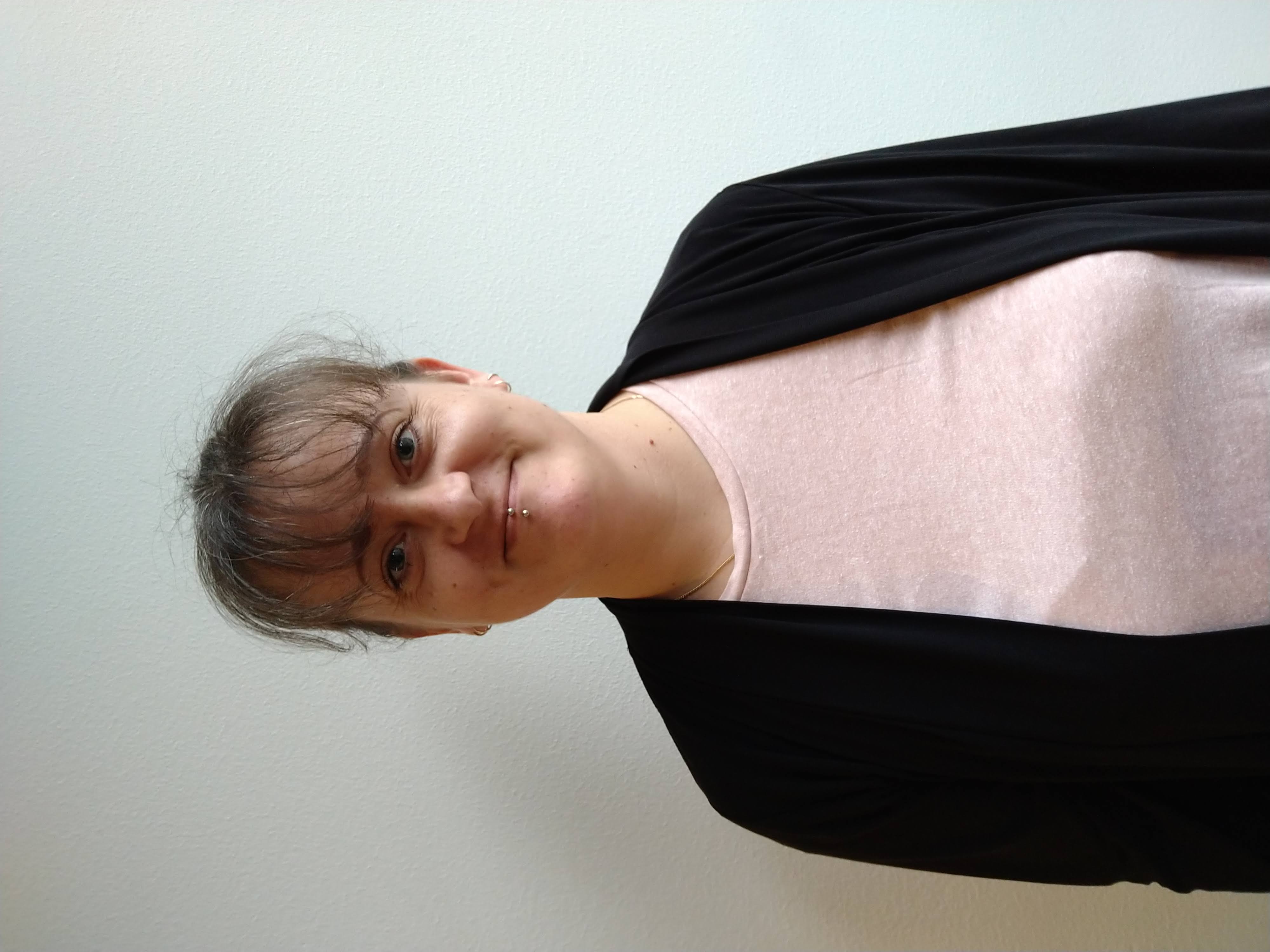
Fiona Hagenbeek is a postdoctoral researcher at the Department of Biological Psychology and the Netherlands Twin Register (NTR) at the Vrije Universiteit Amsterdam. In her NWO Veni funded research, she aims to answer the question “Why do some children maintain externalizing problems into young adulthood?”. Specifically, she examines how genetic and molecular factors shape the persistence of externalizing behaviors into young adulthood, using longitudinal twin and family data.
In addition to her position at the Vrije Universiteit Amsterdam, she is a visiting researcher in Group Ripatti at the Institute for Molecular Medicine Finland (FIMM), University of Helsinki, where she was a postdoc (May ’23-December ‘25). There, she leveraged genetic and electronic health record data in large-scale biobank studies to explore gene-environment interactions in complex diseases such as major depression, type 2 diabetes, and cancer.
Fiona obtained her PhD (2022) and completed her first postdoc at the Vrije Universiteit Amsterdam. As part of the EU-funded ACTION project (Aggression in Children: Unravelling gene–environment interplay to inform Treatment and InterventiON strategies), she developed and implemented protocols for the collection of urine and buccal-cell samples in children. These protocols were applied in a large cohort of twin children from the NTR, resulting in genome-wide SNP data, DNA methylation profiles from buccal cells, and urinary metabolomics data from multiple targeted platforms. Using these data, she contributed to genetic, epigenetic, metabolomic, and multi-omics studies of aggression and related externalizing behaviours and examined the relative contributions of genetic and environmental factors to metabolite levels in both child and adult populations. In addition to her research activities, she represented the NTR in the “Connecting Data in Child Development” (CD2) project, which developed a FAIR digital infrastructure with harmonized metadata from six Dutch youth cohorts.