Education Research Current About VU Amsterdam NL
Bachelor's programmes Master's programmes VU for Professionals
Exchange programme VU Amsterdam Summer School Honours Programme Dutch language courses (NT2) Semester in Amsterdam
PhD at VU Amsterdam Featured research Prizes and distinctions
Interdisciplinary research institutes Scientists of VU Amsterdam Research Impact Support Portal Create impact with your research
News Events calendar Moving towards a healthier future
VU UPDATE: Situation in Israel and the Palestinian regions Culture at VU Amsterdam
Practical matters Mission, core values and vision Entrepreneurship on VU Campus
Governance of VU Amsterdam Valorisation and impact Partnering with VU Amsterdam VU Alumni Community Take a look at our vacancies!
Sorry! De informatie die je zoekt, is enkel beschikbaar in het Engels.
This programme is saved in My Study Choice.
Something went wrong with processing the request.

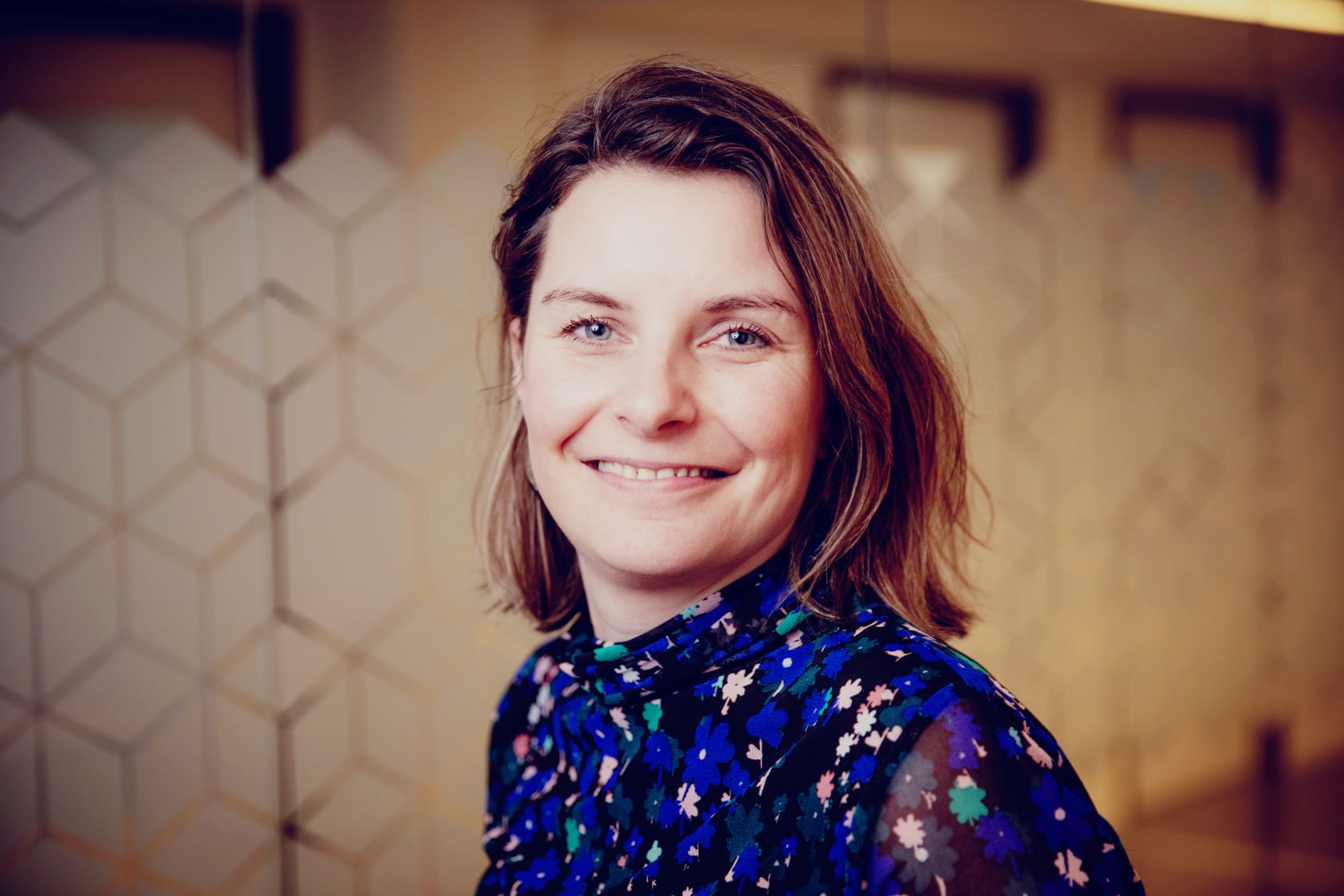
dr. Sanne Feenstra

Assistant Professor, Faculty of Behavioural and Movement Sciences, Organizational Psychology

Research

I am an Assistant Professor in Work and Organizational Psychology at Vrije Universiteit Amsterdam and Content Director of the Amsterdam Leadership Lab.

My research focuses on power, leadership, diversity and inclusion, and the impostor phenomenon in organizational contexts. Specifically, I examine how workplace structures, power relations, and social identities shape people's experiences at work.

Research topics / projects:

Contextualizing the impostor phenomenon
The impostor phenomenon refers to an experience whereby people think that others overestimate their abilities and therefore worry about being found out as "frauds" or "impostors". In my research, I examine not just who feels like an impostor (spoiler: the impostor phenomenon has often been associated with women and ethnic minorities), but instead, I study when and why employees experience impostorism in the workplace and how the phenomenon shapes career trajectories over time.

Gender dynamics in organizations
People often associate “good” management and leadership more with agentic traits, such as being dominant and ambitious, and less with communal traits, such as being empathetic and warm. Given that agentic traits are stereotypically associated with men and communal traits with women, women often face disadvanatges when pursuing leadership positions. In my research, I examine when and why these gendered leadership stereotypes are likely to manifest themselves.

Power dynamics in the workplace
Power is a fundamental feature of pretty much all organizations. At the top of an organizational hierarchy, the powerful control valued resources, such as the salary bonuses and task descriptions of employees. Lower in the organizational hierarchy, employees in low-power positions are dependent on the powerful for such valued resources. In my research, I examine how power and dominance shape the thoughts, feelings, and behaviours of leaders and employees.
Teaching

In the Bachelor's Psychology, I am the lecturer and coordinator of the following course:

In the Master’s Work and Organisational Psychology, I supervise multiple master students each year during their thesis projects. 

Moreover, I am the Chair of the Exam Subcommittee Psychology of the Faculty of Behavioural and Movement Sciences. 

Ancillary activities

No ancillary activities

Ancillary activities are updated daily

Quick links

Homepage VU Amsterdam Culture at VU Amsterdam University Library Dashboard

Study

Academic calendar Study Guide Timetable Canvas

Featured

Donate to the VU Fund VU Magazine Ad Valvas Digital accessibility

About VU Amsterdam

Contact with VU Amsterdam Take a look at our vacancies! Faculties VU Amsterdam Divisions VU Amsterdam
Privacy Disclaimer Safety Web Colophon Cookie settings Web Archive

Copyright © VU