Education Research Current About VU Amsterdam NL
Bachelor's programmes Master's programmes VU for Professionals
Exchange programme VU Amsterdam Summer School Honours Programme Dutch language courses (NT2) Semester in Amsterdam
PhD at VU Amsterdam Featured research Prizes and distinctions
Interdisciplinary research institutes Scientists of VU Amsterdam Research Impact Support Portal Create impact with your research
News Events calendar Moving towards a healthier future
VU UPDATE: Situation in Israel and the Palestinian regions Culture at VU Amsterdam
Practical matters Mission, core values and vision Entrepreneurship on VU Campus
Governance of VU Amsterdam Valorisation and impact Partnering with VU Amsterdam VU Alumni Community Take a look at our vacancies!
Sorry! De informatie die je zoekt, is enkel beschikbaar in het Engels.
This programme is saved in My Study Choice.
Something went wrong with processing the request.

prof. dr. Paul Jennings

Full Professor, Faculty of Science, Chemistry and Pharmaceutical Sciences

Full Professor, AIMMS

Personal information

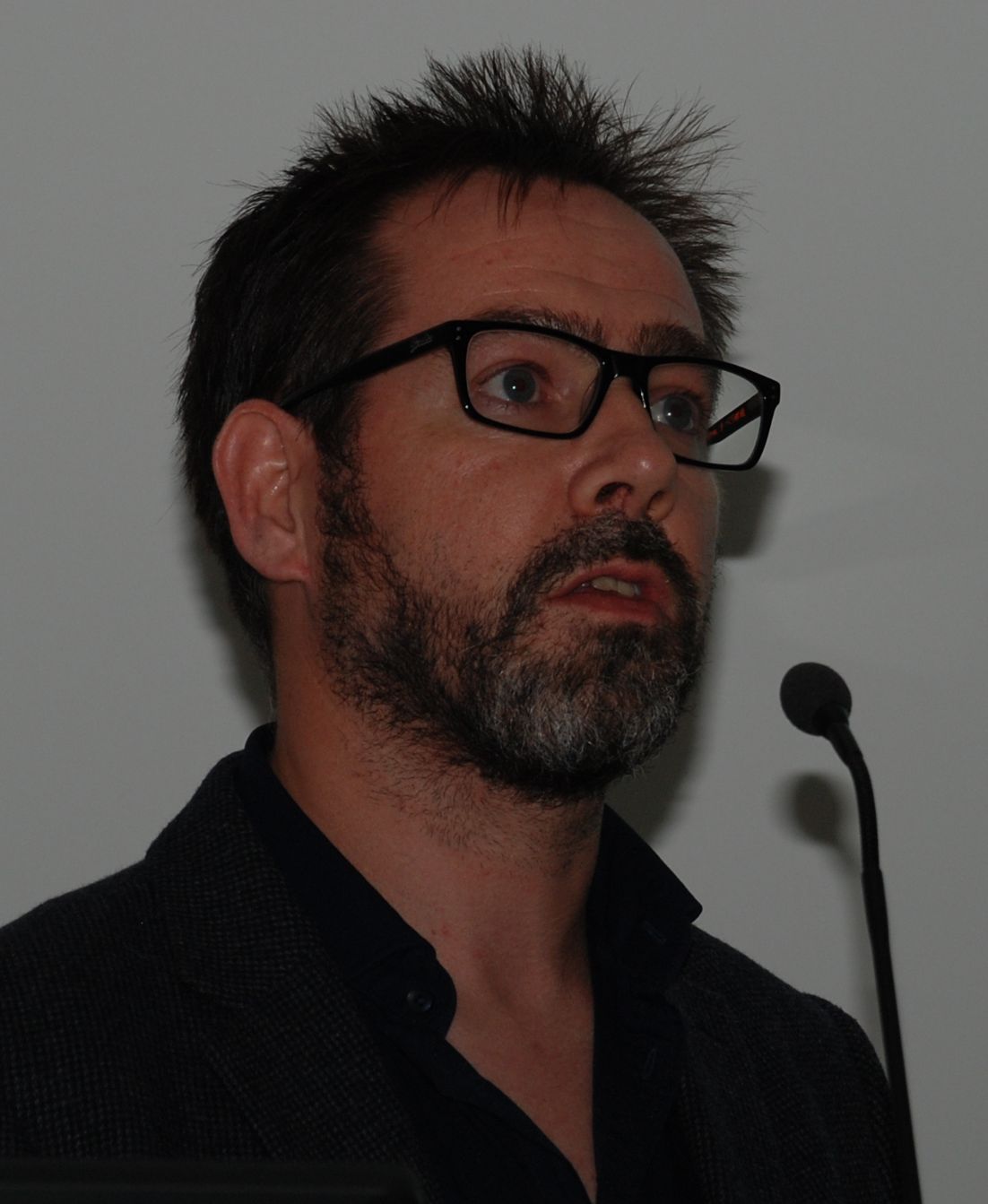
Paul Jennings is the chair of the Division of Molecular and Computational Toxicology, VU, Amsterdam. His background is in epithelial and renal biology, in vitro cell culture system development and mechanistic toxicology. Paul hails from Dublin Ireland. He did his BSc and PhD in University College Dublin. He then moved to Innsbruck, Austria working with Prof. Walter Pfaller. In 2009 Paul habilitated in Epithelial Physiology (Venia Docendi).

Research

Links: PubmedGoogle ScholarResearch Gate

MolTox

Moltox webpage  moltox.chem.vu.nl


Research interests include: 

  • Development of improved human renal and hepatic in vitro models
  • Mechanistic understanding using integrated omic approaches in carefully designed exposure scenarios (transcriptomics, proteomics, metabolomics and epigenetics)
  • The understanding of how cells cope with stress and the delineation of stress response pathways, including oxidative stress (Nrf2), DNA damage (p53), hypoxia (HIF-1alpha) and the unfolded protein response.
  • Chemical-induced dedifferentiation and recovery after exposure
  • In vitro biokinetic studies
  • Integrating cheminformatics, kinetics and dynamics into computational systems toxicological models
  • Collaboration with specialists to build tiered integrated approaches for testing and assessment (IATA) / integrated testing systems (ITS) – (eg. BBB, liver, lung, brain, heart, skin) which are regulatory relevant (i.e. built with application to Adverse Outcome Pathways)
  • Understanding genetic diversity of dynamics and kinetics using iPSC.
  • Development of clinically-translational mechanistic biomarkers 

Teaching at the VU


Replacement Refinement and Reduction of Animal Experiments in Biomedical Research: From Origins to Implementation. XM_066


 Paul's Henry Stewart Talk contribution

 Jennings, P. (2016), "Molecular basis of genetic renal diseases 1 and 2", in The Biomedical & Life Sciences Collection, Henry Stewart Talks Ltd, London (online at https://hstalks.com/bs/3413/https://hstalks.com/bs/3414/ )


Education

2009 Habilitation (Venia Docendi) in Physiology at the Division of Physiology, Dept. of Physiology and Medical Physics, Innsbruck Medical University entitled “Epithelial Cell Cultures as tools to study human disease and the adverse effects of pharmaceuticals and chemicals.”

1996 - 2001 PhD fellowship at the Department of Pharmacology, University College Dublin, Ireland. Supervised by Professor Michael P. Ryan, Head of Department. PhD thesis was entitled, “Novel Approaches For In Vitro Nephrotoxicity Testing”.

1992 - 1996 Honours Bachelor of Science Degree, specialising in Pharmacology. University College Dublin, Ireland.

1987 - 1992 Second level education. Moyle Park College, Clondalkin, Dublin 22, Ireland.

1979 - 1987 Primary level education. St. Killians National School, Kingswood Hts. Dublin 24, Ireland.

Grants

VHP4SAFETY
RISKHUNT3R
CHIAZMA


In3: An integrated interdisciplinary approach to animal-free nanomaterial and chemical safety assessment.  http://estiv.org/in3/

OpenRiskNet: Open e-Infrastructure to Support Data Sharing, Knowledge Integration and in silico Analysis and Modelling in Risk Assessment https://openrisknet.org/

EUToxRisk: An Integrated EUropean ‘Flagship’ Program Driving Mechanism-based Toxicity Testing and Risk Assessment for the 21st Century http://www.eu-toxrisk.eu/

StemBANCC: Stem cells for Biological Assays of Novel drugs and predictive toxiCology http://stembancc.org/

Ancillary activities
  • Elsevier | Amsterdam | Editor | 2020-01-01 - present

Ancillary activities are updated daily

Quick links

Homepage VU Amsterdam Culture at VU Amsterdam University Library Dashboard

Study

Academic calendar Study Guide Timetable Canvas

Featured

Donate to the VU Fund VU Magazine Ad Valvas Digital accessibility

About VU Amsterdam

Contact with VU Amsterdam Take a look at our vacancies! Faculties VU Amsterdam Divisions VU Amsterdam
Privacy Disclaimer Safety Web Colophon Cookie settings Web Archive

Copyright © VU