Education Research Current About VU Amsterdam NL
Bachelor's programmes Master's programmes VU for Professionals
Exchange programme VU Amsterdam Summer School Honours Programme Dutch language courses (NT2) Semester in Amsterdam
PhD at VU Amsterdam Featured research Prizes and distinctions
Interdisciplinary research institutes Scientists of VU Amsterdam Research Impact Support Portal Create impact with your research
News Events calendar Moving towards a healthier future
VU UPDATE: Situation in Israel and the Palestinian regions Culture at VU Amsterdam
Practical matters Mission, core values and vision Entrepreneurship on VU Campus
Governance of VU Amsterdam Valorisation and impact Partnering with VU Amsterdam VU Alumni Community Take a look at our vacancies!
Sorry! De informatie die je zoekt, is enkel beschikbaar in het Engels.
This programme is saved in My Study Choice.
Something went wrong with processing the request.

dr. Mark Verheijen

Associate Professor, Faculty of Science, Molecular and Cellular Neurobiology

Associate Professor, Amsterdam Neuroscience, Amsterdam Neuroscience - Cellular & Molecular Mechanisms

Personal information

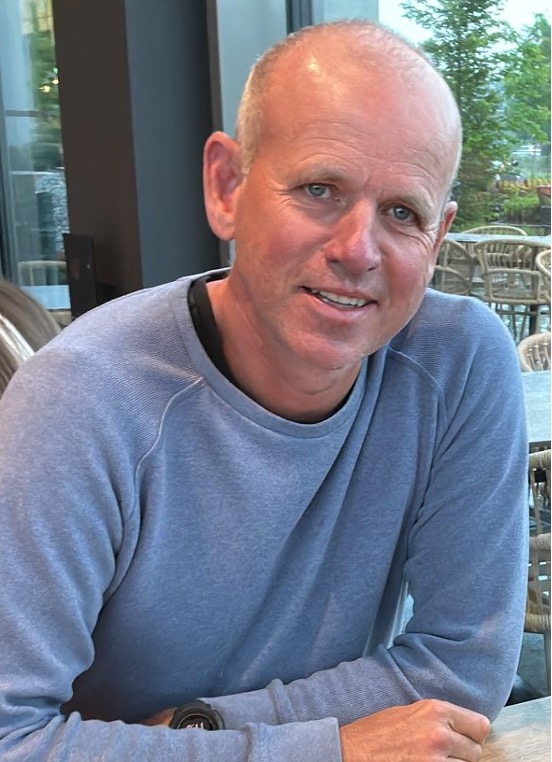
Mark Verheijen is Associate Professor of ‘Glial-regulated Neuronal Plasticity’ at the Vrije Universiteit Amsterdam (VU). He was trained as a biologist with specialization biochemistry at Utrecht University, where he also obtained is PhD in developmental biology in 1997. After a post-doc at the Netherlands Cancer Institute, Amsterdam, on signal transduction in C. Elegans, he started his neuroscience career in 2000 as a post-doc on Schwann cell biology in the lab of Greg Lemke at the Salk Institute for Biological Studies, La Jolla. In 2004 he returned to the Netherlands to start his own team on Neuron-Glia interactions at the Center for Neurogenomics and Cognitive Research (CNCR) at the VU, were he is also director of the master program Neurosciences. With his research he aims to contribute to a better understanding of the role of glial cells in the regulation of neuronal plasticity in health and disease. For this purpose, his team mainly focusses on the role of perisynaptic astrocyte molecules in learning and memory, and to translate  findings on the diseased tripartite synapse in preclinical disease models, e.g. Alzheimer Disease, mild cognitive impairment, (MCI) and post-traumatic stress disorders (PTSD). Experiments are being performed both in vitro (e.g. neuron-glial cell cocultures) and in vivo (e.g. proteomic analysis, imaging and genetic manipulation of astrocytes).

Ancillary activities

No ancillary activities

Ancillary activities are updated daily
Quick links

Homepage VU Amsterdam Culture at VU Amsterdam University Library Dashboard

Study

Academic calendar Study Guide Timetable Canvas

Featured

Donate to the VU Fund VU Magazine Ad Valvas Digital accessibility

About VU Amsterdam

Contact with VU Amsterdam Take a look at our vacancies! Faculties VU Amsterdam Divisions VU Amsterdam
Privacy Disclaimer Safety Web Colophon Cookie settings Web Archive

Copyright © VU