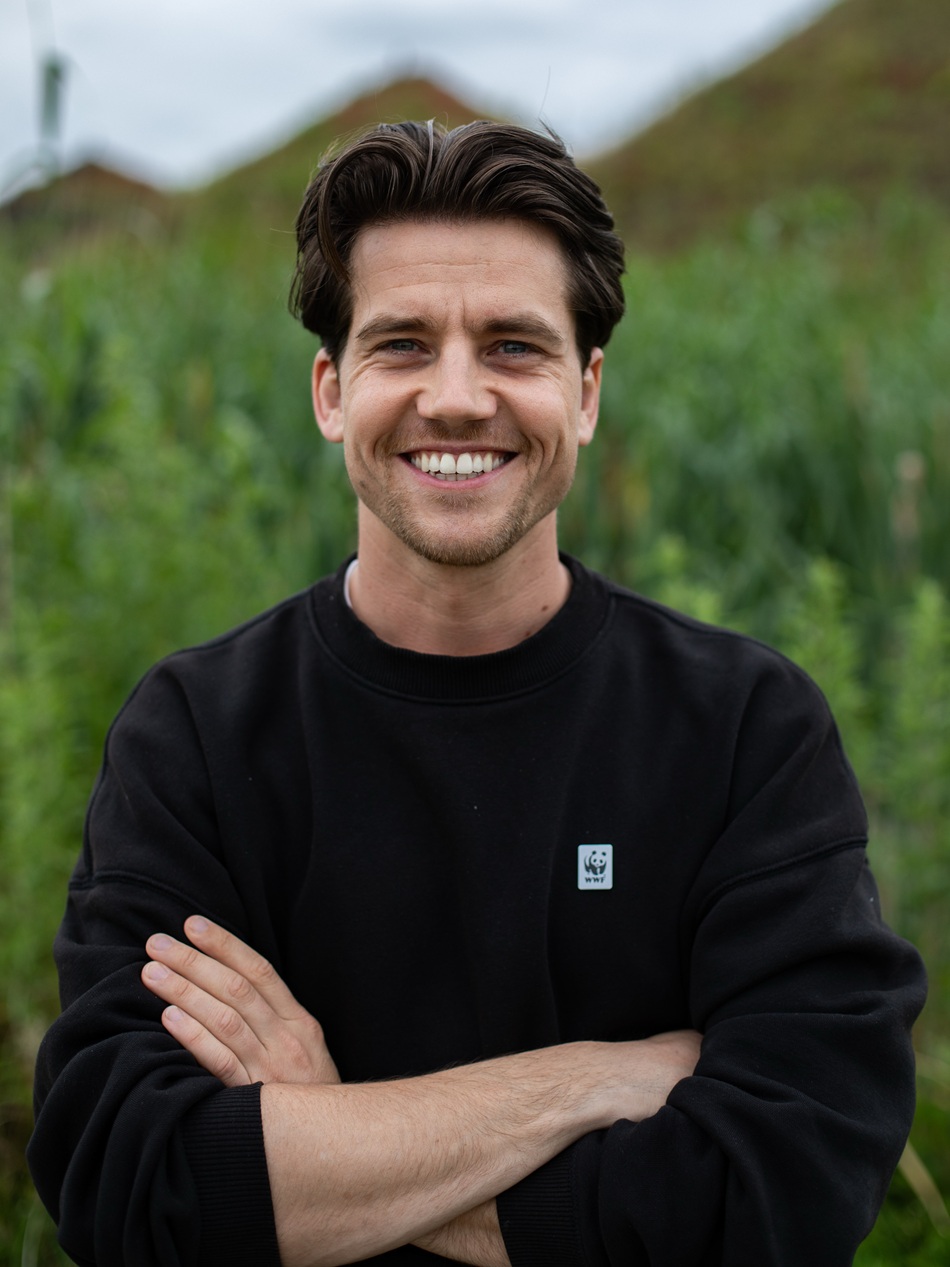
Personal information
Mátyás Bittenbinder is a chemical biologist specialising in the biology and evolution of animal toxins. He is currently an NWO Rubicon laureate at the Muséum national d’Histoire naturelle (MNHN) in Paris, and a guest researcher in the Division of BioAnalytical Chemistry at the Vrije Universiteit Amsterdam. His work bridges two institutes. At the VU he carries out the chemically oriented analytical work, and at Naturalis Biodiversity Center the biologically oriented work. He also did his PhD and first postdoc at both institutes.
Research
Venomous and poisonous animals produce some of the most potent and specific molecules in nature. Mátyás studies how these toxins work, how they evolved, and why they vary so much between and within species. His work combines fieldwork with laboratory analyses, linking the ecology and evolution of animals to the molecular activity of their toxins.
During his PhD in the Venoms to Drugs lab, he focused on snake venoms and their effects on blood coagulation. He used analytical approaches that couple separation techniques and mass spectrometry to bioassays, to identify which venom components are responsible for these effects. This work is relevant both for understanding venom evolution and for improving snakebite treatment.
As a postdoc, he broadened his scope to other toxic animals, including research on toxin variability in cane toads, using neurotoxicity assays and toxin biodiscovery pipelines. With his Rubicon fellowship at MNHN, he now studies the evolution of chemical defences in animals, combining toxinology with the evolutionary and functional biology expertise of the Herrel lab.