Education Research Current About VU Amsterdam NL
Bachelor's programmes Master's programmes VU for Professionals
Exchange programme VU Amsterdam Summer School Honours Programme Dutch language courses (NT2) Semester in Amsterdam
PhD at VU Amsterdam Featured research Prizes and distinctions
Interdisciplinary research institutes Scientists of VU Amsterdam Research Impact Support Portal Create impact with your research
News Events calendar Moving towards a healthier future
VU UPDATE: Situation in Israel and the Palestinian regions Culture at VU Amsterdam
Practical matters Mission, core values and vision Entrepreneurship on VU Campus
Governance of VU Amsterdam Valorisation and impact Partnering with VU Amsterdam VU Alumni Community Take a look at our vacancies!
Sorry! De informatie die je zoekt, is enkel beschikbaar in het Engels.
This programme is saved in My Study Choice.
Something went wrong with processing the request.

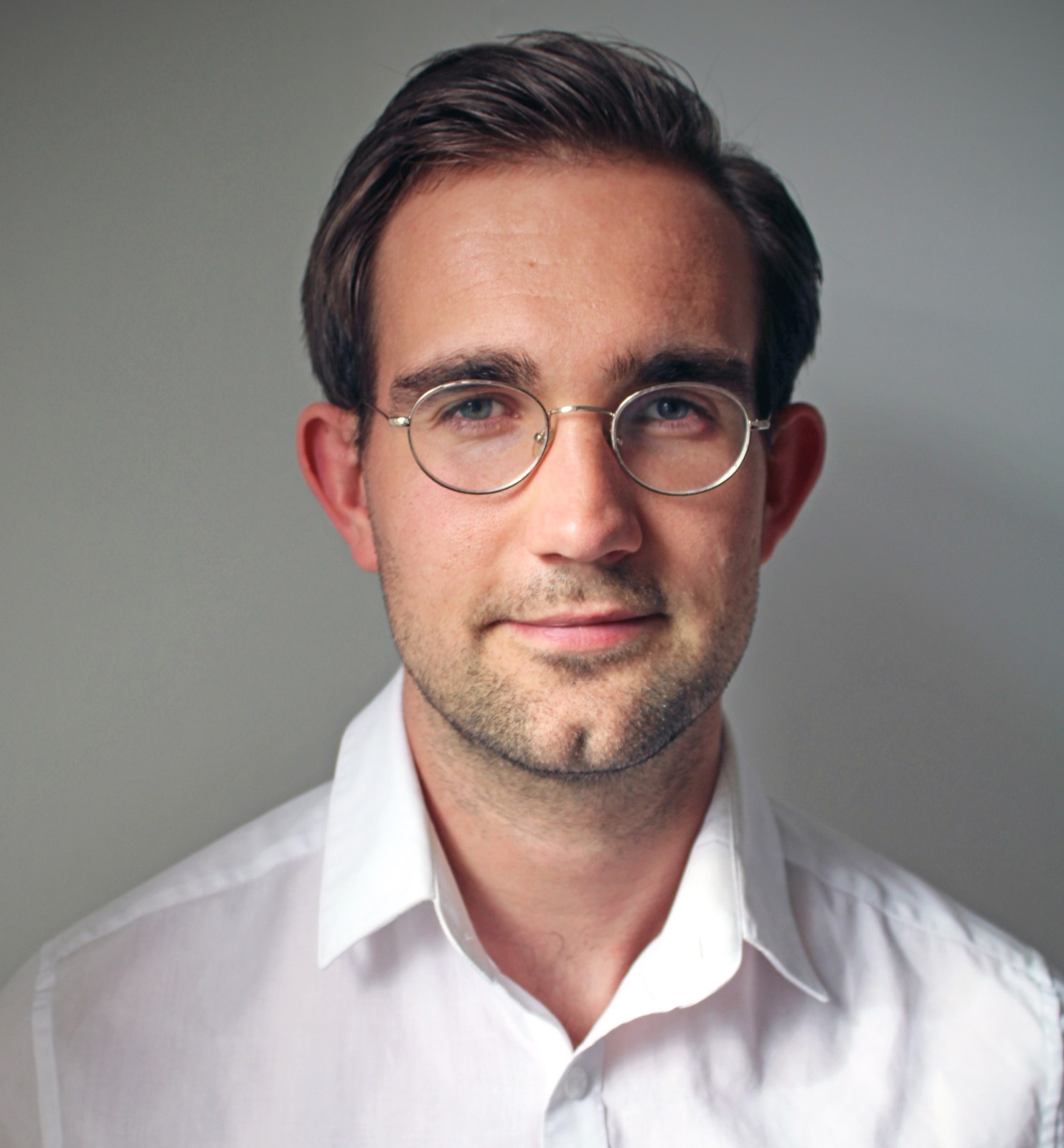
Lukas Andreas Falcke

Associate Professor, School of Business and Economics, Knowledge, Information and Innovation

Personal information

Lukas Falcke has been Assistant Professor for Digital Strategy and Innovation at VU Amsterdam since September 2022. Prior to joining VU, he was a Ph.D. student at the University of St. Gallen, a visiting researcher at Stanford GSB, and a research assistant and MTEC Scholarship Fellow at ETH Zürich. He holds a bachelor’s degree in electrical and computer engineering from RWTH Aachen and a master’s degree in management, technology, and economics with a focus on sustainability and machine learning from ETH Zurich. He has also consulted firms on these issues through his field work and industry stunts at McKinsey and UBS. 
Research

In his research, he investigates how firms can use collaborative forms of innovation to realize digital innovation and tackle grand challenges like climate change. In this work, he often focuses on the role of emerging technologies like machine learning or the role of individuals (i.e., boundary spanners) in such collaborative and open forms of innovation. To make sense of these issues he draws from theoretical lenses like the knowledge-based view, technology architectures, and social capital and identity theory.

Ancillary activities

No ancillary activities

Ancillary activities are updated daily

Quick links

Homepage VU Amsterdam Culture at VU Amsterdam University Library Dashboard

Study

Academic calendar Study Guide Timetable Canvas

Featured

Donate to the VU Fund VU Magazine Ad Valvas Digital accessibility

About VU Amsterdam

Contact with VU Amsterdam Take a look at our vacancies! Faculties VU Amsterdam Divisions VU Amsterdam
Privacy Disclaimer Safety Web Colophon Cookie settings Web Archive

Copyright © VU