Education Research Current About VU Amsterdam NL
Bachelor's programmes Master's programmes VU for Professionals
Exchange programme VU Amsterdam Summer School Honours Programme Dutch language courses (NT2) Semester in Amsterdam
PhD at VU Amsterdam Featured research Prizes and distinctions
Interdisciplinary research institutes Scientists of VU Amsterdam Research Impact Support Portal Create impact with your research
News Events calendar Moving towards a healthier future
VU UPDATE: Situation in Israel and the Palestinian regions Culture at VU Amsterdam
Practical matters Mission, core values and vision Entrepreneurship on VU Campus
Governance of VU Amsterdam Valorisation and impact Partnering with VU Amsterdam VU Alumni Community Take a look at our vacancies!
Sorry! De informatie die je zoekt, is enkel beschikbaar in het Engels.
This programme is saved in My Study Choice.
Something went wrong with processing the request.

dr. Bruno Sauce

Assistant Professor, Faculty of Behavioural and Movement Sciences, Biological Psychology

, Network Institute

, LEARN!

, LEARN!, LEARN! - Educational neuroscience, learning and development

Personal information

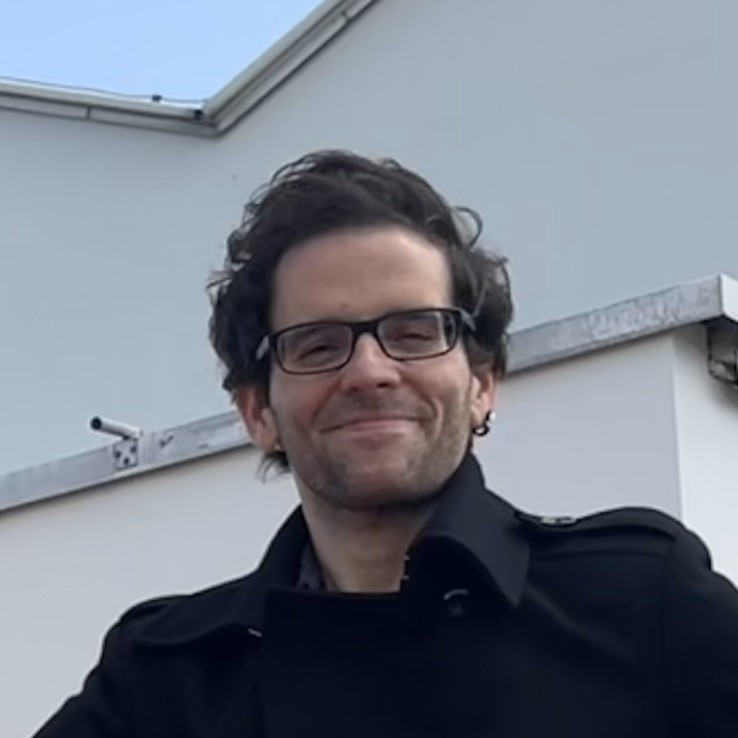
I'm originally from Brazil, where I had a super motivating start to my academic experience with a bachelor's in biology and a master's in genetics and evolution at the Universidade Federal de São Carlos. Then, I lived in the US for 7 years, doing a delightfully wide-ranging master's in psychology and PhD in neuroscience at Rutgers University. After that, I moved to Sweden for 4 years as a postdoc researcher at Karolinska Institutet, where I narrowed down most of the research themes that I continue to work on now – as a tenured assistant professor at VU Amsterdam.
Research

My research focuses on the malleability of cognition. I want to know the impact of certain experiences on the way we think and learn, and how much this depends on our different biological backgrounds. I look at experiences like playing video games, using educational tools, doing physical exercises, going to school, and growing up in wealth/poverty. I use genetic tools (like GWAS, polygenic scores, and twin designs) to correct for genetic confounders and estimate gene-environment interplay. But why does any of this research matter? Because it’s cool. And(!) because I believe future findings could spring new interventions and social programs. Helping people become smarter (a big deal given the importance of abstract reasoning, literacy, numeracy, attention, and working memory to the engines of modern societies and to the quality of our lives) as well as empowering democracies towards better equity (a big deal given that hundreds of millions suffer or benefit unfairly from the birth lottery: born with worse/better genes and in worse/better environments; factors that were out of our control and should be a smaller portion of our merit).

Ancillary activities

No ancillary activities

Ancillary activities are updated daily

Quick links

Homepage VU Amsterdam Culture at VU Amsterdam University Library Dashboard

Study

Academic calendar Study Guide Timetable Canvas

Featured

Donate to the VU Fund VU Magazine Ad Valvas Digital accessibility

About VU Amsterdam

Contact with VU Amsterdam Take a look at our vacancies! Faculties VU Amsterdam Divisions VU Amsterdam
Privacy Disclaimer Safety Web Colophon Cookie settings Web Archive

Copyright © VU