Education Research Current About VU Amsterdam NL
Login as
Prospective student Student Employee
Bachelor Master VU for Professionals
Exchange programme VU Amsterdam Summer School Honours programme VU-NT2 Semester in Amsterdam
PhD at VU Amsterdam Research highlights Prizes and distinctions
Research institutes Our scientists Research Impact Support Portal Creating impact
News Events calendar Biodiversity at VU Amsterdam
Israël and Palestinian regions Culture on campus
Practical matters Mission and core values Entrepreneurship on VU Campus
Governance Partnerships Alumni University Library Working at VU Amsterdam
Sorry! De informatie die je zoekt, is enkel beschikbaar in het Engels.
This programme is saved in My Study Choice.
Something went wrong with processing the request.

STRENGTHS Project Plan

The STRENGTHS project is organised in eight Work Packages. The work packages are small sub-projects which together make up the entire project. The project commenced in January 2017 and ran for six years, ending on 31 December 2022.

The STRENGTHS project has five main objectives:

  • To outline necessary steps to integrate PM+ into the health systems of the participating countries. This includes taking steps to prepare the local political, regulatory and governance processes for taking up and integrating PM+. The steps will be validated for the real life impact on the responsiveness of the system.
  • To scale op the PM+ programmes successfully. This includes identifying barriers and facilitators to health system performance, effectiveness, affordability and sustainability.
  • To disseminate the knowledge about the evidence-base for PM+ programmes and how to implement and sustain them. The aim is to engage with new stakeholders and health systems to further scale up the implementation of the programmes across Europe and beyond.
  • To translate and adapt the PM+ programmes and training materials. The programmes must fit the culture context of the clients and the health systems. The project staff, clients and other stakeholders will co-create the necessary local conditions for implementation and scaling up. This includes training and setting up supervision for the helpers who will deliver the interventions. Supporting tools and an online PM+ component will also be developed.
  • To determine the invested cost and effort of the specific PM+ interventions in different contexts. The project will investigate the reduced cost of large-scale implementation and the organizational, political and economic resources needed. The aim of this analysis is to understand the cost-effectiveness of the interventions seen in a large context.
Back to STRENGTHS Project
Resources

The Work Packages

  • WP 1: Management and overall coordination

    Objectives:

    1. To efficiently manage and coordinate STRENGTHS so that the objectives in the other WPs can be achieved.
    2. To communicate with and report to the European Commission.
    3. To oversee ethics approval and safe data management across all WPs

    WP leader: VU University Amsterdam

  • WP 2: Health Systems Evaluation

    Objectives:

    1. To analyse the responsiveness of health systems across European host countries and LAMIC bordering Syria in addressing the mental health care needs of refugees.
    2. To examine how contextual factors such as socio-economic, cultural, and political-economy factors influence the responsiveness of health systems to the mental health care needs of refugees in the project countries.
    3. To explore how the scaling-up of the low-intensity PM+ programmes can support health system responsiveness to the mental health care needs of refugees in the project countries
    4. To compare the responsiveness before and after implementation of the PM+ programmes of the health systems of European and LAMI countries bordering Syria

    WP leader: London School of Hygiene and Tropical Medicine

  • WP 3: Adaptation

    Objectives:

    1. To culturally adapt the evidence based PM+ programmes within health systems of the participating European and LAMIC bordering Syria
    2. To develop and evaluate training protocols for implementation of the prioritized PM+ programmes in co-creation with end-users.
    3. To conduct high-quality training of trainers in the PM+ manuals in preparation for the implementation phase.

    WP leader: Danish Red Cross

  • WP 4: Refugee Settlement and Camp Implementation

    Objectives:

    The overarching goal of this work package is development of scalable low-intensity interventions that can enhance the mental health of refugees in settlements in countries surrounding Syria. This work package will adapt, integrate, and evaluate PM+ for health services in Jordan and Lebanon who are dealing with the needs of Syrian refugees. Specifically, the objectives of this work package are:

    1. To assess the specific needs of stakeholders and end-users for the implementation of the low intensity programmes for refugee settlements in Jordan and Lebanon.
    2. To identify barriers and facilitators specific to the chosen refugee settings that affected successful implementation (process evaluation).
    3. To evaluate the capacity of the adapted PM+ to improve the mental health of adult and child Syrian refugees in Jordan and Lebanon when it is implemented in a local health delivery service.
    4. To test the implementation, sustainability, acceptability, and effectiveness of the PM+ programs when implemented in refugee camps

    WP leader: University of New South Wales

  • WP 5: Community implementation

    Objectives:

    The overall aim of this work package is implement scaling-up of the evidence based PM+ programmes successfully within community settings the Netherlands, Turkey and Switzerland in in terms of health-system performance, effectiveness, affordability and sustainability within health systems and identify barriers and facilitators to this end. Specifically, the objectives of this work package are:

    1. To assess the specific needs of stakeholders and end-users for the implementation of the low intensity programmes for refugee settlements in Jordan and Lebanon.
    2. To identify barriers and facilitators specific to the chosen refugee settings that affected successful implementation (process evaluation).
    3. To evaluate the capacity of the adapted PM+ to improve the mental health of adult and child Syrian refugees in Jordan and Lebanon when it is implemented in a local health delivery service.
    4. To test the implementation, sustainability, acceptability, and effectiveness of the PM+ programs when implemented in refugee camps.

    WP leader: VU University of Amsterdam

  • WP 6: Online implementation

    Objectives: This work package will implement the evidence based PM+ programme by creating an online and offline computer- and smartphone based version for Syrian refugees. The overall aim is to evaluate the dissemination of a generic electronic version (ePM+) as a scaling-up strategy in Germany, Sweden and Egypt by assessing health-system performance, effectiveness, affordability, sustainability within health systems as well as barriers and facilitators to this end.

    1. To create and host a sustainable open-source software version of the PM+ programme with contact on demand support for Syrian refugees.
    2. To assess the needs of stakeholders and end-users for the implementation and scaling-up of ePM+ in Germany, Sweden and Egypt.
    3. To implement and scale-up ePM+ within the health care provision for Syrian refugees in Germany, Sweden and Egypt.
    4. To evaluate implementation of scaling-up of ePM+ in terms of service provider-related outcomes and beneficiary-related outcomes.
    5. To identify barriers and facilitators specific to the chosen refugee settings that affected successful scaling-up and implementation of ePM+ (process evaluation).

    WP leader:  Freie Universität Berlin

  • WP 7: Economic and Implementation Evaluation

    Objectives:

    1. To identify, monitor and quantify all organisational and resource requirements to help facilitate the implementation of PM+ in different contexts in Europe and countries bordering Syria
    2. To estimate the economic costs of the implementation process and identify key economic levers to help facilitate implementation
    3. To determine the potential cost effectiveness (from the health system, public purse and societal perspectives) of the low-intensity PM+ programmes observed in 6 implementation studies
    4. To model the potential economic costs and benefits of investing in implementation mechanisms to aid in the scaling up of access to PM+ in different contexts in Europe and countries bordering Syria
    5. To model interactions between intervention and refugee characteristics, and intervention outcomes both within and across the range of low-intensity interventions.

    WP leader: London School of Economics

  • WP 8: Synthesis and Dissemination

    Objectives:

    1. To identify and engage new organisations, beneficiaries and individuals (beyond those participating in the implementation of project) who may be interested in integrating the intervention in their routine activities and contribute to scaling up of the intervention
    2. To assess the needs and requirements for successful dissemination of the future the dissemination of the low-intensity PM+ programmes, and to assess needs for future programmes to be developed and evaluated
    3. To disseminate and promote ‘buy-in’ of a validated framework and strategy for large-scale implementation to providers of health and social services, as well as policy makers, , and funding agencies: a) Validate and disseminate the culturally and contextually adapted PM+ training manuals developed in WP3 for implementation for large scale dissemination through the UN agencies (WHO, UNHCR), the Red Cross Movement and other partners; b. Validate and disseminate the cultural and contextual adaptation manual used for implementation for large scale dissemination through the WHO, UNHCR, the Red Cross Movement and other partners; c. Establish a sustainable STRENGTHS training network for delivering training in PM+ programmes beyond the duration of the project hosted by existing networks for mental health and psychosocial support and psychological trauma-care;

      Develop and disseminate PM+ financing packages for dissemination to relevant stakeholders within health systems including estimates of resources needs and benefits (for the organization and for the participants) to be expected when implementing PM+.
    4. To disseminate the results of the implementation of the PM+ low-intensity programmes within the scientific community, among all identified stakeholders, and the wider public.

    WP leader: The United Nations High Commissioner for Refugees

  • WP 9: Ethics requirements

    Objectives: Ensure project implementation is in compliance with the ethics requirements

    WP leader: VU University of Amsterdam

For general queries:

strengths.fgb@vu.nl

Faculty of Behavioural and Human Movement Sciences (FGB)
Department of Clinical, Neuro- & Developmental Psychology
Van der Boechorststraat 7
1081 BT Amsterdam

Contact

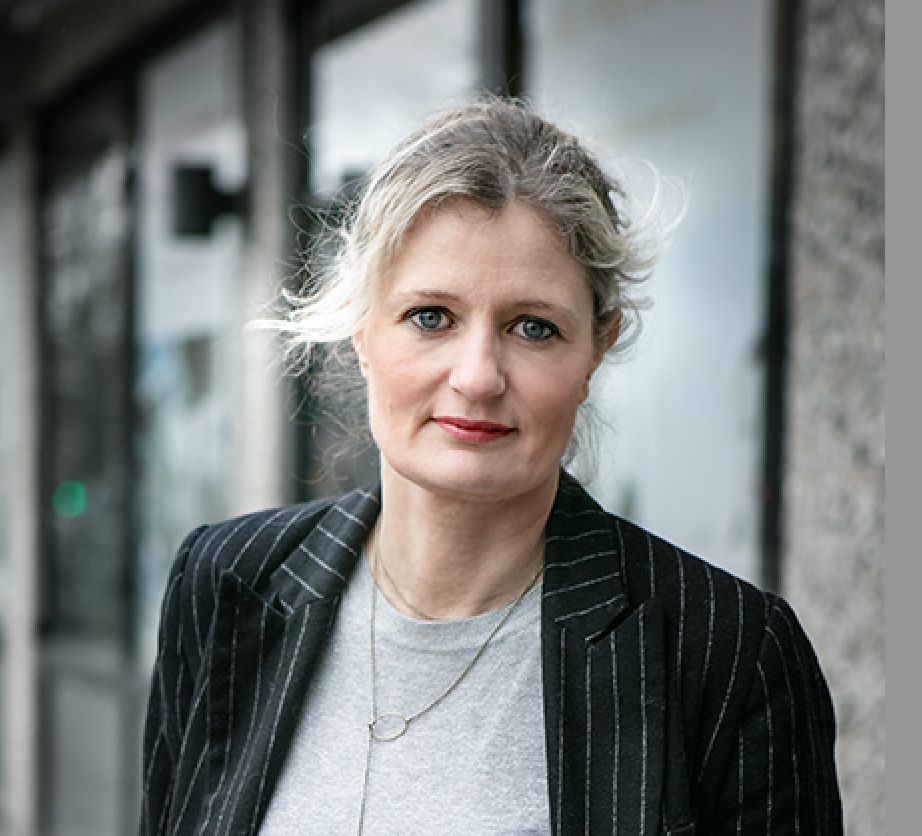
  • Marit Sijbrandij, PhD
  • Full Professor, Clinical Psychology
  • Faculty of Behavioural and Movement Sciences
  • e.m.sijbrandij@vu.nl
Marit Sijbrandij, PhD

Quick links

Homepage Culture on campus VU Sports Centre Dashboard

Study

Academic calendar Study guide Timetable Canvas

Featured

VUfonds VU Magazine Ad Valvas Digital accessibility

About VU

Contact us Working at VU Amsterdam Faculties Divisions
Privacy Disclaimer Safety Web Colophon Cookie Settings Web Archive

Copyright © 2025 - Vrije Universiteit Amsterdam